How Architectural Artificial Roof Stands Up To Freeze-Thaw Damage in Midwest Residences
Anyone that has possessed a home in the Midwest enough time has seen what winter does to constructing products. A roofing system can look penalty in https://charliebidu339.alderbrief.com/posts/artificial-professional-roofer-chicagoland-professionals-on-freeze-thaw-protection October, then by March it is revealing slipped items, split sides, loose flashing, or signs of moisture where it must be bone completely dry. The damage rarely comes from one significant snowstorm. Regularly, it originates from rep. Water enters a small opening, temperatures drop over night, that water ices up and broadens, after that daytime sunlight begins the cycle once more. By the end of the season, the roof has actually been stressed dozens of times.
That freeze-thaw cycle is particularly hard on typical roof covering materials with natural pores, brittle edges, or inconsistent attaching zones. It is one factor more home owners are asking about architectural artificial roofing when they intend a remodel or a synthetic roofing system replacement. In position like Chicago, Naperville, and the broader Chicagoland suburban areas, that passion is not practically appearances. It has to do with sturdiness in a climate that penalizes weak spots.
Architectural synthetic roofing has actually earned focus because it deals with the exact conditions that create winter season roofing failures. It can imitate slate, shake, or other premium profiles, but the actual tale is what happens below the surface area. The material makeup, securing layout, influence resistance, and reduced water absorption all aid these roofs take on freeze-thaw anxiety in a way several property owners do not expect up until they see the distinction over numerous winters.
Why freeze-thaw is so harmful on Midwest roofs
Freeze-thaw damages begins with wetness, however the actual wrongdoer is movement. Water broadens by roughly 9 percent when it ices up. That growth matters when water has actually worked its way into a hairline crack, a seam, a nail infiltration, or the subjected end grain of a roofing item. As ice kinds, it broadens the opening. When temperatures climb over cold, the ice melts and water can travel even farther right into the product. Then the following cold wave repeats the process.
Midwest weather condition develops the excellent setup for this. In many components of Illinois and the surrounding region, winter temperature levels can swing from single digits to the high 30s or reduced 40s within a day or more. South-facing roofing slopes take straight winter season sun, which increases daytime thawing even while shaded areas remain frozen. Add wind-driven snow, over night refreezing at the eaves, and occasional ice damming, and you have problems that test every part of the roof system.
The damage does not always appear where homeowners anticipate. Individuals usually try to find a missing shingle after a tornado, yet freeze-thaw damage has a tendency to be subtler in the beginning. It might look like fractured corners, raised sides, a ridge cap that no longer lies level, or little paths for water around flashings and penetrations. By the time a leak reaches a ceiling tarnish, the roof has actually commonly been stopping working quietly for a while.
What makes building artificial roof different
The term "synthetic roof coverings" covers a wide group, so it helps to be particular. Architectural synthetic roofing usually refers to crafted roof products created to replicate the look of slate, cedar shake, or other dimensional products while improving efficiency. These are not flimsy plastic panels. Premium synthetic roof covering products are usually made from advanced polymer blends, recycled composite products, or exclusive material formulations created for durability, versatility, and weather condition resistance.
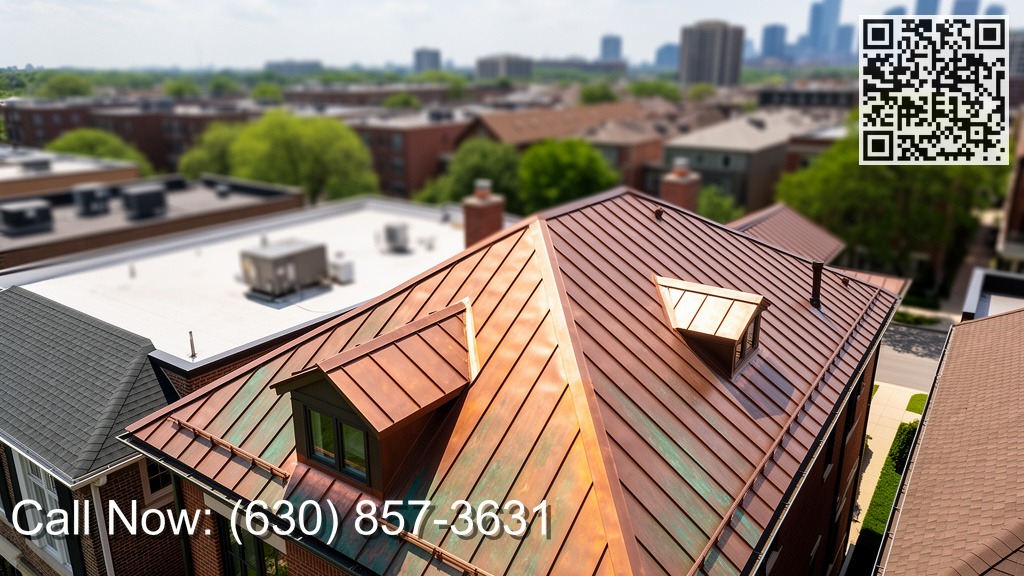
That distinction issues in winter. Natural products have appeal, but they additionally have vulnerabilities. Genuine wood shake can take in dampness and split. All-natural slate is durable, but specific pieces can split under effect or if they are stressed out at add-on factors. Lower-grade asphalt items can come to be fragile as they age, especially after years of UV exposure.
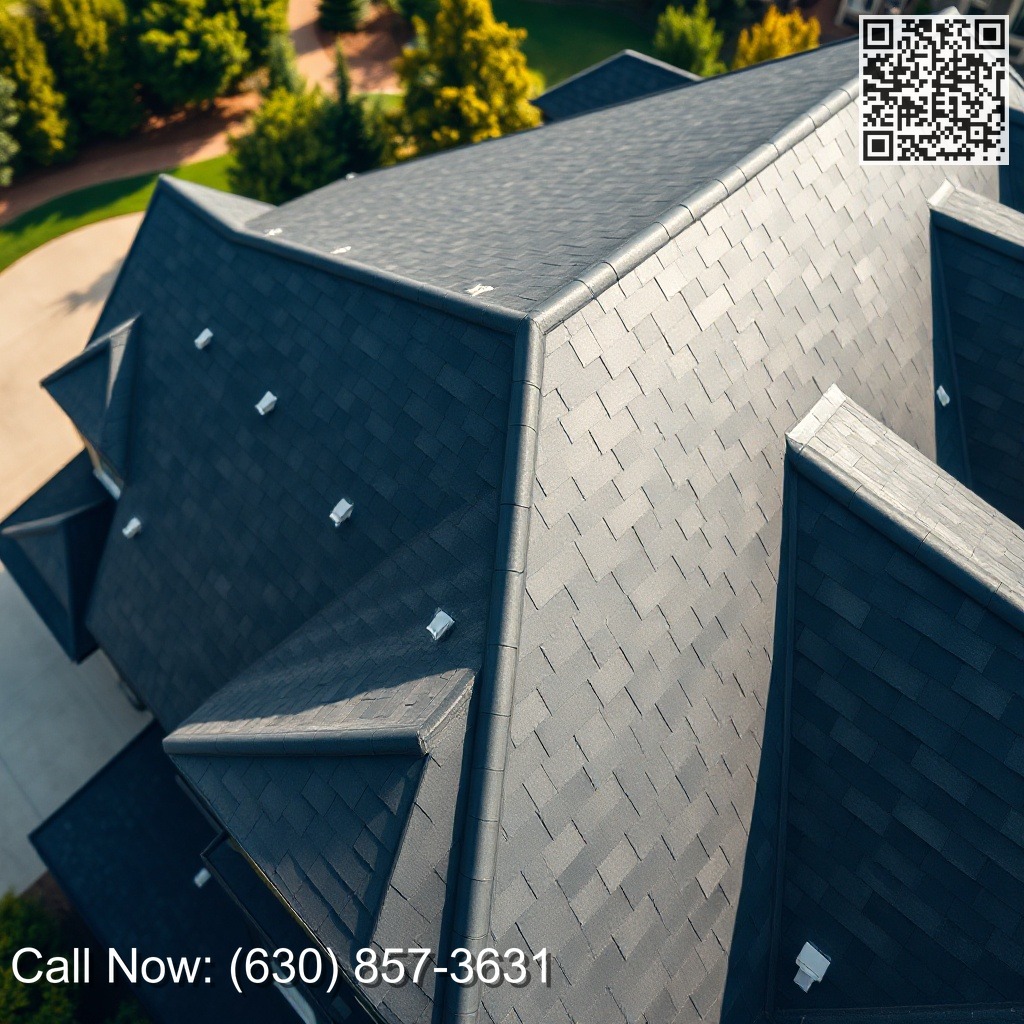
By comparison, durable synthetic roofing tiles and tiles are crafted to limit water absorption and preserve adaptability throughout a wider temperature level array. When an item does not easily absorb wetness, it provides freeze-thaw growth less opportunity to do damage inside. When it continues to be resistant instead of turning brittle in the chilly, it is better able to endure movement from thermal biking, wind uplift, and influence from hail storm or falling ice.
This is where residential artificial roof often exceeds expectations. Home owners may first choose it for visual allure, especially in areas with historical homes or custom-made constructs, yet after a few winters they begin to appreciate the less visible benefit: the roofing system merely takes care of Midwestern weather condition with less drama.
Low water absorption changes the game
If I had to indicate one attribute that many straight relates to freeze-thaw resistance, it would certainly be water absorption. Standard freeze-thaw failure depends on dampness going into the product itself or obtaining caught in vulnerable areas. Lots of synthetic roof are crafted to resist moisture infiltration at a material level, not just on the surface.
That is a major difference from natural timber products and also from some masonry-based materials. A synthetic tile that sheds water efficiently and absorbs really little of it is much less likely to suffer interior growth tension when temperature levels go down. The roofing system still needs appropriate blinking, underlayment, air flow, and drainage, yet the field product itself is less susceptible to wintertime damage.
This does not indicate all artificial items perform similarly. Costs synthetic roof often tends to have tighter manufacturing resistances and better long-term stability than bargain products. In the area, those information matter. A roof tile with irregular density, weak securing sides, or bad UV security might not age with dignity, even if it looks efficient installation. That is why product selection and installer experience matter just as much as the category itself.
Flexibility in the cold helps avoid cracking
One of the disappointments with older or even more breakable roof covering materials is exactly how they act during the very first actually cool stretch of the period. Something as small as a branch touching the roof covering, an employee actioning in the incorrect area, or a piece of moving ice can trigger splitting if the material has lost adaptability. Once a split begins, water follows.
Architectural synthetic roofing is usually much better at maintaining effect resistance and flexibility in reduced temperature levels. That matters in Chicago and bordering suburbs where a winter roofing system may see snow cover, sleet, wind-driven particles, and temperature whiplash in the very same week. A material that can bend slightly under tension instead of breaking has a better possibility of surviving intact.
I have seen house owners assume that hefty means durable and light-weight means vulnerable. On roofings, that is not constantly true. Some synthetic roof are far lighter than slate or concrete floor tile, yet they deal with freeze-thaw stress better due to the fact that they move with the structure instead of withstanding every little change. Roofing decks broaden and contract. Framing steps somewhat with moisture and temperature. Fasteners respond to thermal biking. A roofing covering that endures that activity without splitting has an actual advantage.
The profile of the roofing system affects winter months efficiency too
Architectural synthetic roofing is not just a material option. It is also a profile and system option. Many products are developed with deeper shadow lines, interlocks, and water-shedding pathways that assist move melting snow and rain off the roof covering much more successfully. That enhanced water drainage can reduce the quantity of standing water that lingers at overlaps or susceptible transitions.
On a steep-slope roofing system, this matters a good deal. Snow does not just go away when temperature levels rise. It melts unevenly, frequently beginning higher up on sun-warmed slopes while reduced sections remain icy. If a roof account networks that sprinkle cleanly toward the eaves, the roofing system invests much less time with dampness hovering at seams. If the product additionally has safe and secure side laps and properly created head laps, the opportunity of wind-driven meltwater backing right into the setting up drops.
A great synthetic roofer will certainly pay attention not simply to the visible tile or shingle, yet to exactly how the whole assembly behaves under winter months conditions. That consists of underlayment option, ice-and-water membrane layer positioning, air flow strategy, blinking integration, ridge information, and securing approaches. The product can be outstanding, however if the roofing system is improperly created, freeze-thaw damages will certainly still discover a method in.
Ice dams are a different trouble, but artificial roofing still helps
It is essential to be precise below. No roof product removes ice dams by itself. Ice dams are typically driven by heat loss from the house, attic room air leak, insufficient insulation, and uneven roof covering temperatures. Also the best synthetic roofing installment can not compensate for an improperly carrying out structure envelope.
That claimed, artificial roof can still play a helpful duty. Since several artificial products have steady dimensions, protected interlocks, and much less breakable exposed edges, they typically hold up better when ice forms and meltwater backs up briefly. If water is required uphill by an ice dam, the roofing system still relies upon underlayment and flashing as the key protection, however the field product is less likely to fracture or divide while under stress.
In functional terms, that can mean a roof that comes via repeated winters with less repair work. Property owners may still require attic room improvements to fix the origin of ice damming, yet the roofing covering itself is much less likely to experience cumulative damages along the way.
Why this matters for Midwest luxury homes and custom-made architecture
Synthetic roof covering for high-end homes has ended up being increasingly preferred in the Midwest for a simple factor: homeowners want the look of slate or cedar without inheriting every maintenance issue that can feature those materials in a difficult climate. Big customized homes frequently have complicated rooflines, multiple valleys, dormers, turret details, and lengthy eave runs. Those functions create elegance, however they also produce extra areas where snow, ice, and meltwater can gather.
A complicated roofing amplifies the consequences of freeze-thaw anxiety. Much more changes suggest even more flashing. A lot more roof planes suggest even more snow drift patterns. Even more valleys imply more focused water circulation throughout a thaw. On that type of home, a durable roof is not a high-end in the shallow sense of words. It is danger management.
This is where architectural artificial roofing often radiates. It gives designers the dimensional appearance they want while minimizing dead tons compared with natural slate or concrete. That lower weight can be specifically helpful in remodelling projects where structural upgrades would certainly otherwise be needed. It likewise tends to streamline handling and placement during installation, which can boost consistency on elaborate roofing system geometries.
In affluent residential areas where house owners care about resale value and lasting appearance, costs artificial roofing likewise has a useful visual benefit. It has a tendency to weather more evenly than natural timber and avoids some of the arbitrary damage patterns seen with weak items. A roof that still looks made up after several extreme winters adds to the overall impression of the house.
Installation quality is what turns product efficiency into real-world performance
This is the point lots of write-ups skip, yet it is the one specialists manage every season. A high-performance roofing product can fall short early if it is mounted carelessly. Freeze-thaw resistance depends upon details. Fasteners have to be positioned properly. Flashings require correct overlap and protect combination. Ventilation can not be rated. Penetrations need to be flashed in a way that expects snow, ice, and wind, not simply summertime rain.
When property owners search for an artificial roof covering firm, they frequently contrast brand names first. That makes sense, but the installer should have equal examination. A synthetic roofer that comprehends Midwest environment conditions will come close to the task in a different way from a staff that mostly sets up common asphalt in milder areas. The most effective artificial roof installers consider where drifting happens, just how valleys will certainly deal with ice, where heat loss might develop persistent thaw points, and just how regional code demands converge with producer specifications.
For house owners looking for synthetic roof covering Chicago services or a synthetic roofer Chicagoland homeowner can trust, local wintertime experience issues. The same is true if you are searching for artificial roof covering Naperville IL experts. Freeze-thaw damage is not academic here. It appears in solution phone calls, evaluations, and insurance claims each year. A professional who has seen what fails in February will certainly make smarter choices in July.
Common weak points where synthetic systems frequently stand up better
Most winter season roof covering failings do not happen in the center of an open field of roof. They turn up at transitions and stress and anxiety points. Synthetic roof commonly perform well since their accessories and area pieces are developed as a worked with setting up, which helps reduce those vulnerabilities.
The locations that are entitled to the most attention are these:
- Valleys, where snow and water concentrate throughout thaws.
- Eaves, where meltwater can refreeze and form backing pressure.
- Roof infiltrations, particularly pipes vents, smokeshafts, and skylights.
- Ridges and hips, where wind direct exposure and thermal movement are high.
- Sidewalls and headwalls, where flashing details make or break performance.
The factor is not that artificial materials make these locations fail-safe. The factor is that a well-designed artificial roof installment often provides the service provider better tools to defend them. Matching devices, predictable measurements, lighter managing weight, and durable field materials all add to cleaner execution.
Repairability and long-lasting ownership
One silent advantage of domestic synthetic roof covering is just how it fits actual ownership patterns. Midwest property owners do not simply require a roof that survives one wintertime. They require one that continues to be serviceable over twenty or thirty years of storms, tree debris, attic room upgrades, vent replacements, and periodic specialist foot traffic.
Some all-natural materials become harder to fix easily as they age. Matching can be challenging. Frailty rises. Salvage work around one broken area may damage nearby pieces. Artificial products vary, yet several provide an even more forgiving service experience. Individual pieces can often be replaced without the same danger of security damage, assuming the product line is still available and the roofing was installed with access and upkeep in mind.
That issues for lasting budgeting. A house owner considering artificial roof substitute may at first focus on upfront cost, and reasonable sufficient, costs products are not deal roof covering. Yet the ownership formula must include most likely maintenance, fixing regularity, and the cost of winter-related failures. When a roofing prevents repeated jumble after hard freeze-thaw seasons, the value picture changes.
What property owners need to ask prior to selecting a product
The conversation need to exceed aesthetics. A stunning account that imitates hand-split cedar or quarried slate is appealing, but Midwest buyers ought to push for practical solutions. Ask exactly how the item deals with impact, temperature variation, and moisture. Ask what underlayment plan the installer recommends for your roofing system geometry. Ask just how the system executes at eaves and valleys. Ask whether the staff has mounted that specific product through a minimum of a few local winters.
These inquiries deserve covering with any synthetic roofing contractor:
- How does this product perform in duplicated freeze-thaw conditions?
- What ice-and-water protection will certainly be made use of, and where?
- How will certainly attic air flow and insulation influence roof performance?
- What information will be made use of at valleys, chimneys, and skylights?
- How frequently does your business solution or check this kind of roof covering after installation?
A well-informed contractor will certainly address straight and with context. They will not act any kind of roof is unyielding. They will certainly describe where the product excels, where supporting information matter most, and what maintenance still makes good sense over time.
The compromises house owners must understand
Architectural artificial roofing is not the right selection for each task. Price is one trade-off. Costs artificial roofing typically sits above fundamental asphalt in cost, in some cases by a significant margin depending on profile, intricacy, and region. Homeowners intending to move soon might determine the long-lasting resilience costs is not worth it for their timeline.
There is additionally item variant on the market. "Synthetic" is not an assurance of top quality anymore than "timber" or "slate" is. Some lower-end items might discolor erratically, warp, or really feel much less convincing up close. That is why it is smart to see full-size set up examples and ask to see local tasks that have actually been with numerous winters.
Style fit matters also. On some homes, particularly modest houses with easy lines, a high-profile synthetic slate may look out of scale. Excellent roof selections are about percentage as long as performance. A thoughtful artificial roof covering business will certainly assist home owners towards accounts that suit both the design and the climate.
Why the Midwest has actually become a proving ground for synthetic roofing
If a roof covering can perform well through a string of Midwestern wintertimes, that tells you a lot. The region combines heavy snow, wind, sunlight exposure, freeze-thaw cycling, hail, and abrupt seasonal shifts. It is not enough for a roofing system to look excellent on a showroom board. It needs to survive the truth of January defrosting on a south slope, February refreezing at the eaves, and March slush working its means toward every seam.
That truth is one reason synthetic roofings have actually obtained grip among engineers, builders, and experienced homeowners in places like Chicago and Naperville. The material group addresses an extremely details collection of troubles without demanding the architectural weight or maintenance concern of some conventional premium products. For homes with intricate layout, high substitute cost direct exposure, or owners who prepare to sit tight, that is an engaging combination.
Architectural artificial roof covering resists freeze-thaw damage not due to the fact that it cheats wintertime, however due to the fact that it is constructed for wintertime's practices. It drops water successfully, soaks up much less wetness, remains a lot more durable in the cool, and incorporates into roof created to secure vulnerable details. In the Midwest, where periods examination every weakness eventually, those qualities are not marketing language. They are the distinction between a roofing system that ages progressively and one that starts calling for repair services after every difficult winter.
When Quality Matters
Salvo Architectural Roofing Contractors
566 West 5th Ave Naperville, IL 60563
(630) 857-3631
 Ask ChatGPT
 Ask Grok
 Ask Perplexity
 Ask Claude
 Ask Google AI
 Ask You